Custom Furniture or Ready-Made? A Decision Guide
Custom furniture or ready-made? This guide covers the pros and cons of each, the factors that set the price and where made-to-measure work makes sense.
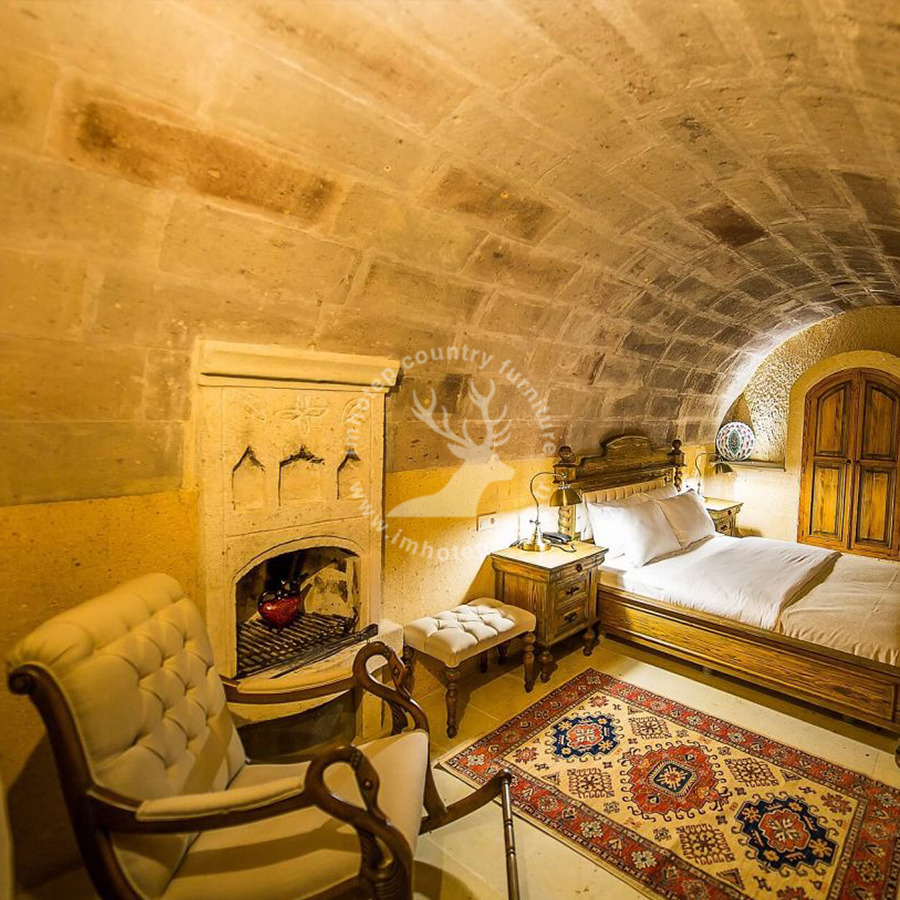
Custom furniture is made to order, with its size, design or interior layout determined by your space. If size isn’t an issue, ready-made furniture is usually enough: you see it in the store first and, if it’s in stock, get it quickly. Where size is critical, as with an alcove, a sloped wall or wall-to-wall storage, going custom makes more sense, though you’ll wait longer and make more decisions.
There’s also a third option in between: choosing the color or fabric of a ready-made model you like from the seller’s swatch book and, on some models, ordering it in a different size as well.
The difference between custom furniture and ready-made furniture
The basic difference is who decides the size and options: with ready-made furniture, it’s the manufacturer; with custom work, it’s you. Ready-made furniture is made and sold in the standard sizes, materials and colors the manufacturer sets; you buy the piece you see in the showroom as it is. Made-to-measure furniture, by contrast, is designed around your wall and your ceiling height; your needs determine its drawing, dimensions and interior layout.
In practice, there are three levels:
- Ready-made model: The model, size and color are fixed. You buy the piece as it is.
- Customized ready-made model: An existing model’s wood color or fabric is chosen from the seller’s swatch book; on some models, the size can be changed too. The design is set; you choose the details.
- Fully custom: The piece is designed from scratch for the space. A dressing room, a wall-to-wall bookcase or a cabinet built to fit an alcove falls into this group.
When sellers say “custom,” they sometimes mean the second level and sometimes the third. Before you order, pinning down which one they mean is the first step toward a result that matches your expectations.
Ready-made and custom furniture: pros and cons
Ready-made furniture wins on speed and predictability, while custom work wins on fit and freedom of choice. The table below also shows the downsides of each.
| Criterion | Ready-made furniture | Custom-made |
|---|---|---|
| Fit | Standard sizes; gaps may be left in an alcove or against a sloped wall | Adjusted to the wall, the ceiling and the alcove |
| Materials and color | Limited to the options the manufacturer offers | Wood species, color, fabric and hardware can be chosen, depending on the maker |
| Seeing the piece beforehand | In the store, you see, touch and try the piece itself or a floor model | Usually you see a drawing, a sample or a similar model |
| Wait time | Short if it’s in stock | Longer, since production starts with your order |
| Return terms | Vary by sales channel and the seller’s terms | Need to be discussed separately and written into the contract before you order |
| Cost | Usually lower, thanks to mass production | Can be higher, depending on size, materials and labor |
| Decision load | Light; you get what you see | Heavy; you see the results of your size and color decisions only once the piece is finished |
| Moving | Easy to adapt to a new home | A piece built for a specific wall may not fit in your next home |
These downsides aren’t listed to talk you out of going custom but to show what you need to settle before you order: measurements, samples, wait time and return terms.
Which spaces call for made-to-measure furniture?
Made-to-measure furniture comes into its own where standard pieces don’t fit the wall or the ceiling, or don’t meet your practical needs. These are the main cases:
- Alcoves, columns and irregular walls: In older buildings, walls aren’t always square. The space between columns, under a window or beneath a sloping roof leaves gaps a ready-made piece won’t fit into.
- Wall-to-wall bookcases: If you want to set the shelf spacing, depth and height around your books, custom work has the edge. For measurements, see the bookcase dimensions guide.
- TV walls: If the screen size, devices and cable routing call for a unit that covers the whole wall, a made-to-measure solution gives a cleaner result. For height and depth, the TV unit dimensions article can guide you.
- Dressing rooms: Because the layout of hanging space, drawers and shelves is set up entirely around the person who uses it, a dressing room is a typical example of custom work. You’ll find examples in the dressing rooms article.
- Hotels, offices and businesses: When the same piece has to be made for many rooms, suit the business’s corporate identity and hold up to heavy use, a ready-made product may not be enough.
Ready-made furniture, on the other hand, is the more practical choice if you rent, move often, have a room with standard dimensions or need the piece soon.
Customization at İmhotep: swatches and size options
Our product pages note two kinds of customization: choosing colors from our swatch book and, on some models, a change of size or veneer. A swatch book is a sample catalog that shows wood finish, fabric, leather or metal surface options on small pieces of material.
On most of our products, you can choose the wood color from our swatch book. On the Bodrum Armchair, the Chesterfield Armchair and the Elvin Bed Frame, you choose the fabric color from swatches as well as the wood color. The Elvin Chesterfield Sofa and the Venedik Leather Chesterfield Sofa offer leather swatches in addition to wood swatches, and the Craft Console and the Craft Dining Table offer metal swatches. Options vary from model to model, and not every upholstered piece comes with fabric swatches; check the product page to see which ones apply.
Size changes, however, aren’t available on every model. These are the models whose product pages list a size option:
| Product | Option |
|---|---|
| Novel Display Cabinet, Novel Coffee Table | Can be made in the size and color you request |
| Novel TV Unit | Can be customized with different size and color options |
| Novel Dining Table, Novel Dining Room Set | Can be made with size and color options; the set also has a fabric option. The console, chair and side table in the set don’t list a size option on their own pages |
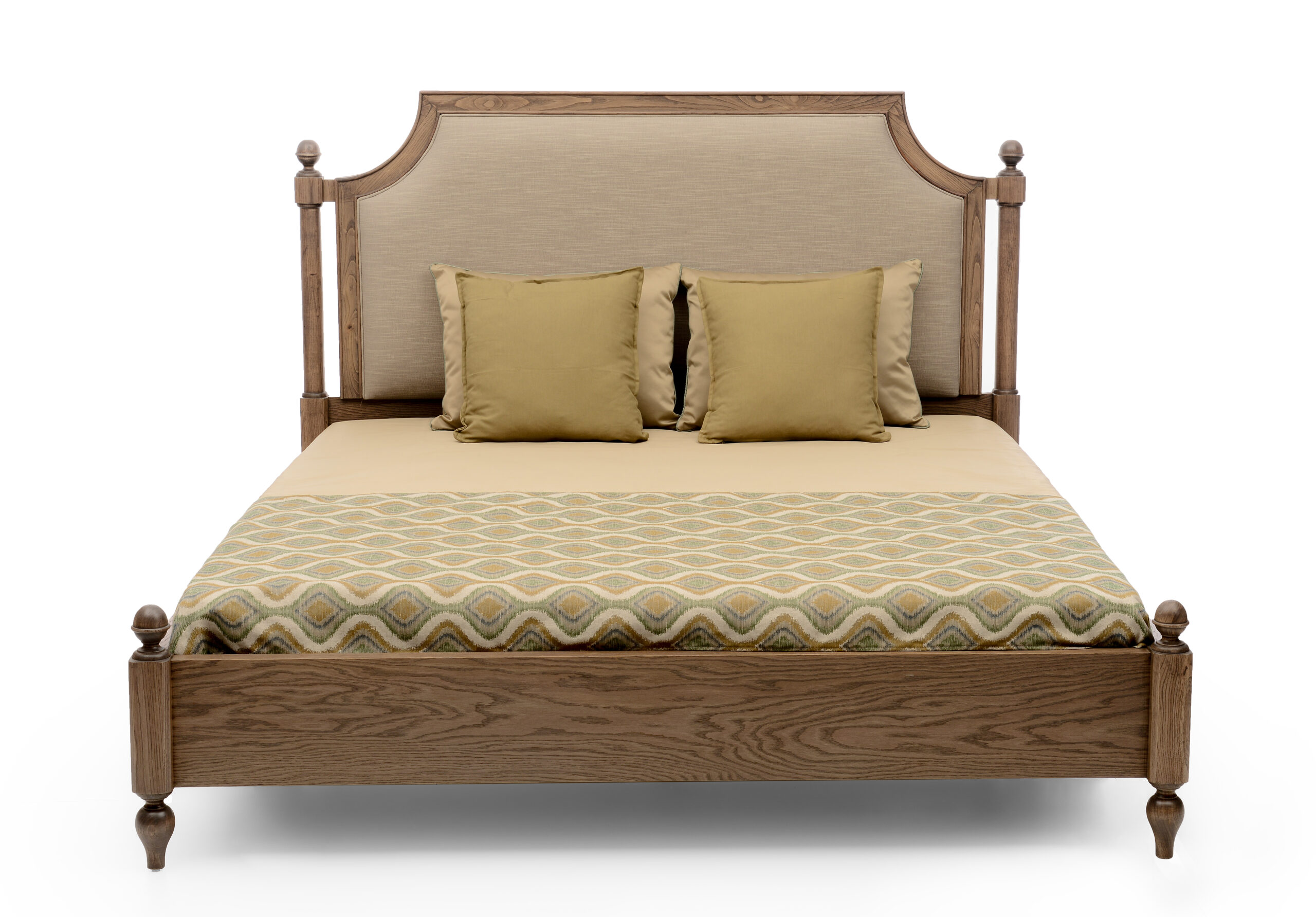
| Louis Bed Frame, Louis Bedside Table, Louis Chest of Drawers | Can be adapted to your space with different size and veneer options |
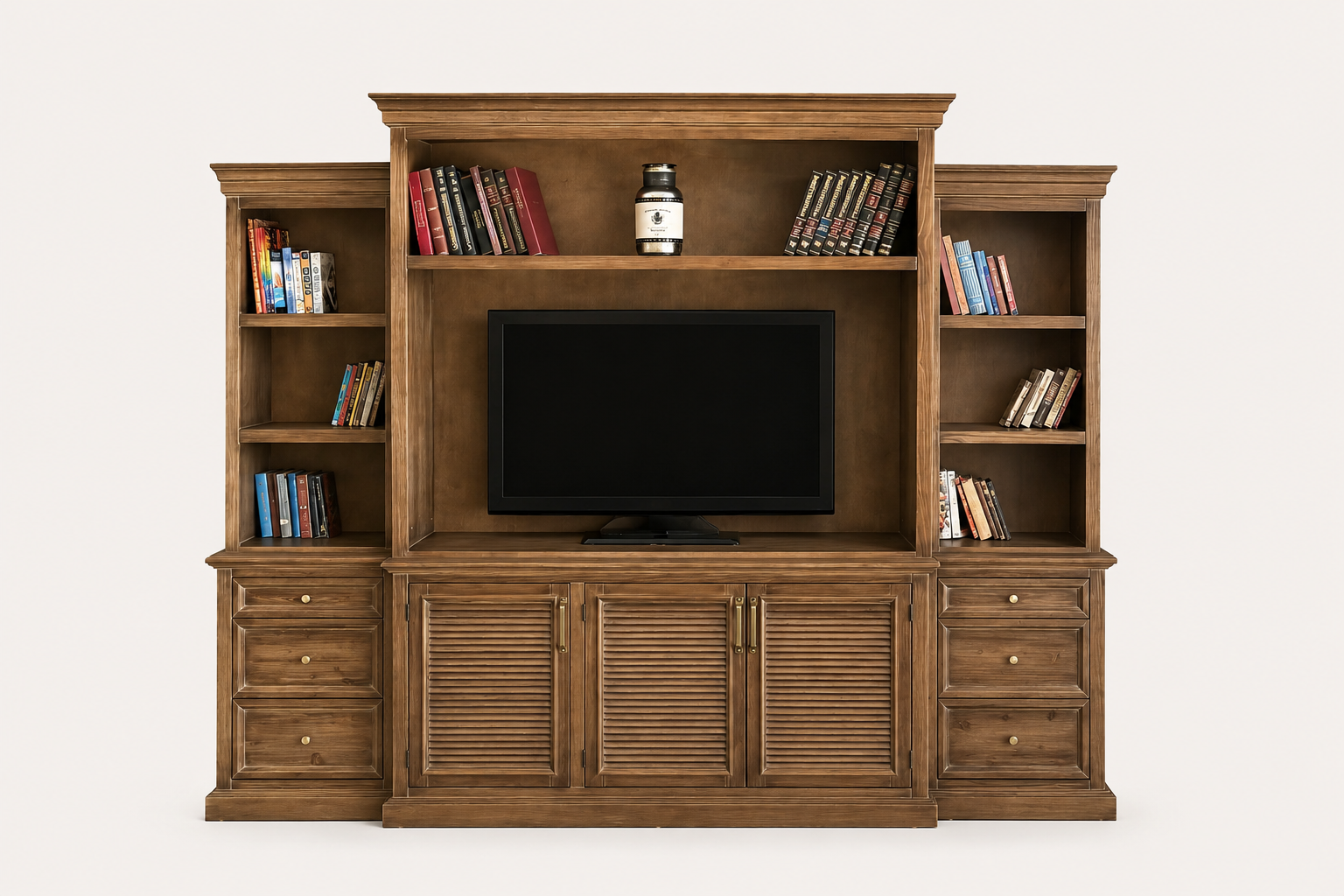
If you want a size change on a model that isn’t on this list, ask whether it’s possible for that specific model. The Louis Bed Frame, Louis Bedside Table and Louis Chest of Drawers have a solid wood veneer surface. Solid wood veneer is a thin layer of natural wood, usually glued onto a substrate panel. If you want a different veneer, settle in writing which wood species and color will be used before you order.
What drives the price: from size to installation
In custom work, the main factors that set the price are size, wood species and materials, handwork, finish and upholstery; shipping and installation count as well.
- Size and case: A larger case means more material and more labor. For a non-standard size, the cutting plan and the templates for some parts may have to be prepared again.
- Wood species and materials: Solid wood, solid wood veneer and MDF differ in cost. Within solid wood, too, there are differences between spruce, hornbeam and oak.
- Handwork: Hand carving, turned legs, tufting and doors with decorative molding take more time to produce.
- Finish: There’s a difference in labor between a plain varnish and patina, distressing or a multi-coat paint finish.
- Upholstery: The type and amount of fabric or leather, along with techniques such as tufting, affect the cost.
- Hardware and interior fittings: The quality of handles, drawer slides, hinges, glass and any lighting also changes the total.
- Shipping and installation: For pieces that are fixed to the wall or assembled on site, installation is a separate job. At İmhotep, shipping costs for deliveries outside Ankara are paid by the buyer.
When you compare quotes, don’t look only at the total; check whether each of these items is included in the quote. If one of two same-size cabinets has a solid wood case and the other an MDF case, you can’t compare the quotes directly.
What should you settle before you order?
Because you can’t see a custom piece until it’s finished, accurate measurements, samples, an approved drawing and a written contract should all be in place before you order.
What should you measure?
Measure the width of the wall separately at the bottom, middle and top; in older buildings, these three measurements can differ. Also note the ceiling height and where the baseboards, outlets, radiators and windows are. For large pieces, the size of the doorways, the elevator and the turns in the stairwell matters too: if a wall-to-wall bookcase or cabinet won’t fit through that route, it has to be built in sections (modular). For a wardrobe’s exterior dimensions and how to measure for one, see the wardrobe dimensions article.
Samples and drawings
When you choose a color or fabric from a small sample, keep in mind that the finished surface may look slightly different over a large area; in natural wood, tone and grain can vary from piece to piece. A dimensioned drawing, meanwhile, is the document that shows the piece before it goes into production; ask that production not begin until you’ve approved the drawing.
What should the contract include?
Before you sign, make sure the contract spells out the following:
- dimensions and the approved drawing
- wood species and materials
- color, fabric or swatch code
- delivery and installation terms
- return and cancellation terms
Don’t settle for a verbal answer on a clause you don’t understand; get it clarified in writing.
In short: which should you choose?
If your space is standard, you’re short on time or you’re likely to move, ready-made furniture is the better choice; if fit, storage and harmony with the architecture come first, custom furniture is. In between, choosing the color or fabric of a model you like from swatches and, where the product page lists it, changing its size is a balanced option for many homes.
Founded in 2002 and specializing in solid wood furniture, İmhotep today has 3,500 m² of indoor production space and a 2,000 m² showroom. You can browse examples by room and space type in our project galleries, bring your wall measurements and a few photos to our showroom in Siteler, Ankara, or reach us through our contact page. The showroom is open weekdays from 8:00 a.m. to 7:00 p.m. and Saturdays from 9:00 a.m. to 6:00 p.m.
Frequently asked questions
How is custom furniture different from ready-made furniture?
With ready-made furniture, the manufacturer sets the size, materials and color; in a store, you see the piece before you choose it. With custom furniture, you make the decisions on size, design and interior layout, and the piece is made to order. That gives you a better fit and more freedom of choice; in exchange, you can’t see the piece until it’s finished, and you wait longer. Also ask for the return terms in writing before you order.
What determines the price of custom furniture?
Size, wood species and materials (solid wood, solid wood veneer, MDF), handwork (carving, turned parts, tufting), finish (varnish, patina, distressing), upholstery fabric or leather, hardware, and shipping and installation are the main factors that set the price of custom furniture. When you compare quotes, make sure each item is listed separately and priced with the same materials.
When does made-to-measure furniture make sense?
Irregular walls with alcoves, columns or a sloping roof, wall-to-wall bookcases, TV walls, dressing rooms, and projects such as hotels and offices, where the same piece is made in large numbers, are where made-to-measure furniture comes into its own. If your room has standard dimensions, you rent or you move often, ready-made furniture is more practical.
Can you see a custom piece before it’s made?
You can’t see the piece itself until it’s finished, but you can get a concrete picture of the result in advance. To do that, examine the standard version of the same model in the showroom, choose the wood and fabric colors from swatches and don’t let production start until you’ve approved a dimensioned drawing. Asking whether the model is on display in the showroom before you go saves you time.