
Is Hornbeam Furniture Durable? Where Spruce, Beech and Oak Are Used
Hornbeam is a hard, dense wood, used in furniture mostly for frames and legs. Our table shows which parts spruce, beech and oak are used for.
Hornbeam furniture is durable as long as the wood has been properly dried and the joints are well made. Hornbeam is a hard, dense, close-grained hardwood, and in furniture it mostly goes into load-bearing parts: sofa and chair frames, and table and coffee table legs. Still, wood species alone doesn’t decide how long a piece lasts: drying, workmanship and the part’s design matter at least as much as the wood.
In the table below, you’ll find the general characteristics of hornbeam, spruce, beech and oak, along with the parts each one is used for according to İmhotep’s product descriptions.
Which wood goes into which part?
According to İmhotep’s product descriptions, hornbeam is used mostly for sofa and chair frames and for legs, while spruce goes into tops, carcasses and uprights; oak appears in the Bodrum series, and beech in seating pieces such as the Rocking Chair. The “General characteristics” column reflects common knowledge about each wood, while the other two columns show what the product descriptions state.
| Wood | General characteristics | Parts it’s used for at İmhotep | Example products |
|---|---|---|---|
| Hornbeam | Hard, dense hardwood with a fine, even texture | Frames for sofas, bergère armchairs and chairs; table and coffee table legs | Elegance Armchair, Chesterfield Sofa, Venedik Dining Table (legs) |
| Spruce | Softwood (a conifer); light-colored, relatively light and soft, with visible grain and knots | Tops, carcasses, load-bearing uprights | Şato Console, Prada Bedside Table, Prada TV Stand, Venedik Dining Table (top), Venedik Console (load-bearing uprights) |
| Beech | Hard, fine-textured hardwood; takes well to steam bending | Seating | Rocking Chair |
| Oak | Hard, heavy hardwood with pronounced grain | Entryway console and console carcasses, table legs, chairs | Bodrum Entryway Console, Bodrum Console, Bodrum Dining Table (legs), Bodrum Chair |
| Solid oak veneer | Usually a layer of oak glued onto a supporting substrate | Tabletops, console carcass | Craft Dining Table |
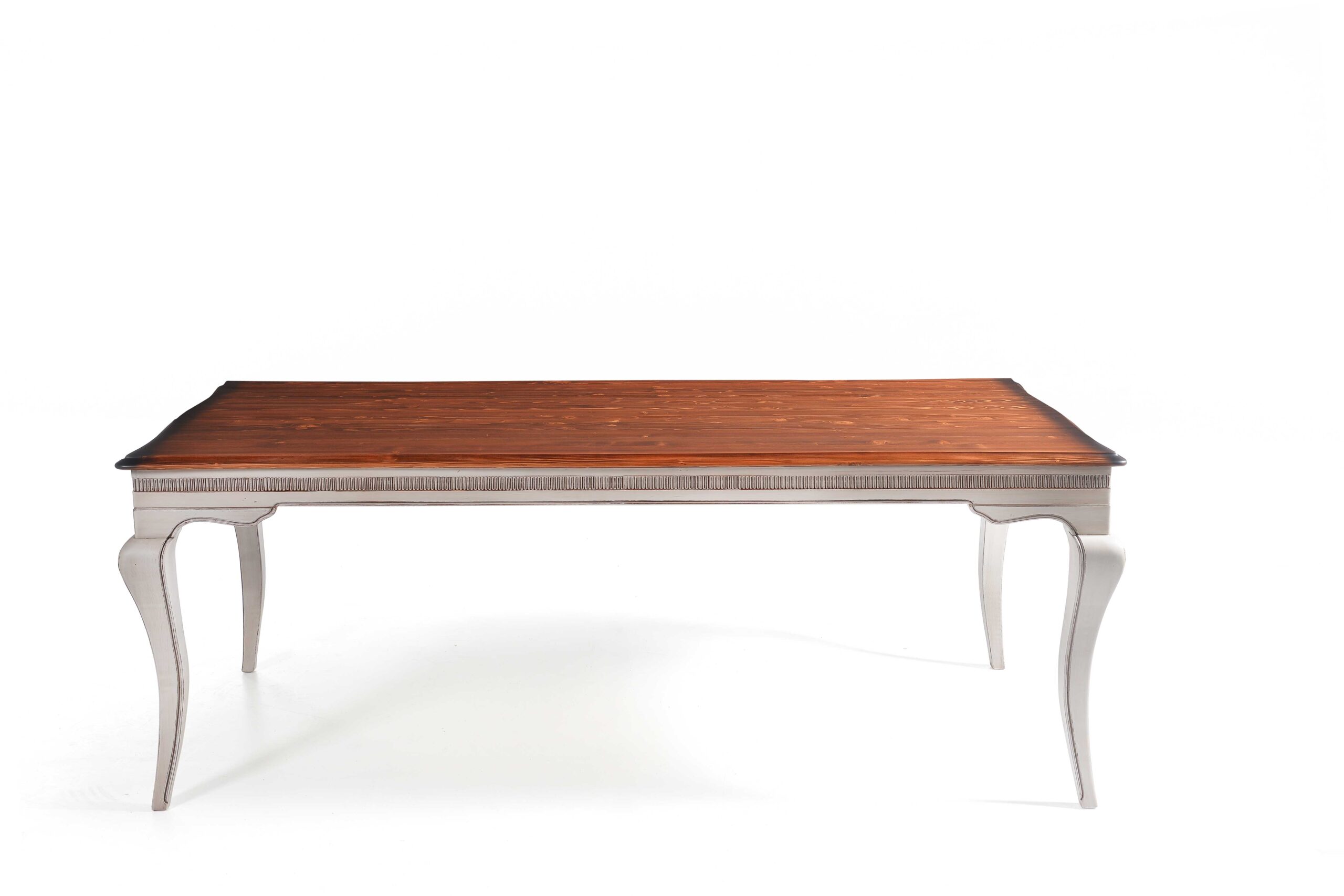
The Venedik Dining Table is a typical example of this split: its top is made of first-grade kiln-dried spruce and its legs of hornbeam. On the Lükens Entryway Console, the top is spruce, the legs are hornbeam, and the drawers and sides are MDF. In other words, “What wood is this furniture made of?” is a question to ask part by part.
Why is hornbeam used for furniture frames and legs?
Hornbeam is a sound choice for load-bearing furniture parts such as frames and legs, because its hard, dense structure helps the joints hold up under stress; even so, that strength depends on good drying and correct joinery. A sofa frame carries the weight of the person sitting on it and the load created every time someone sits down and gets up. That’s why, in a frame, the workmanship of the joints (mortise and tenon, dowels, corner blocks) matters as much as the hardness of the wood.
Hornbeam is plain-looking: unfinished, it’s light in color; its fine, even texture usually shows no pronounced figure, and how knotty it is varies from one batch of lumber to the next. That’s why it is often painted or colored with patina. Because the frame sits under the upholstery, you can’t see the hornbeam in a sofa; you’ll need to look for the frame wood in the product description or ask the seller. To weigh the foam and fabric alongside the frame when choosing a sofa, see our guide to choosing a sofa set.
Examples of hornbeam frames and legs at İmhotep:
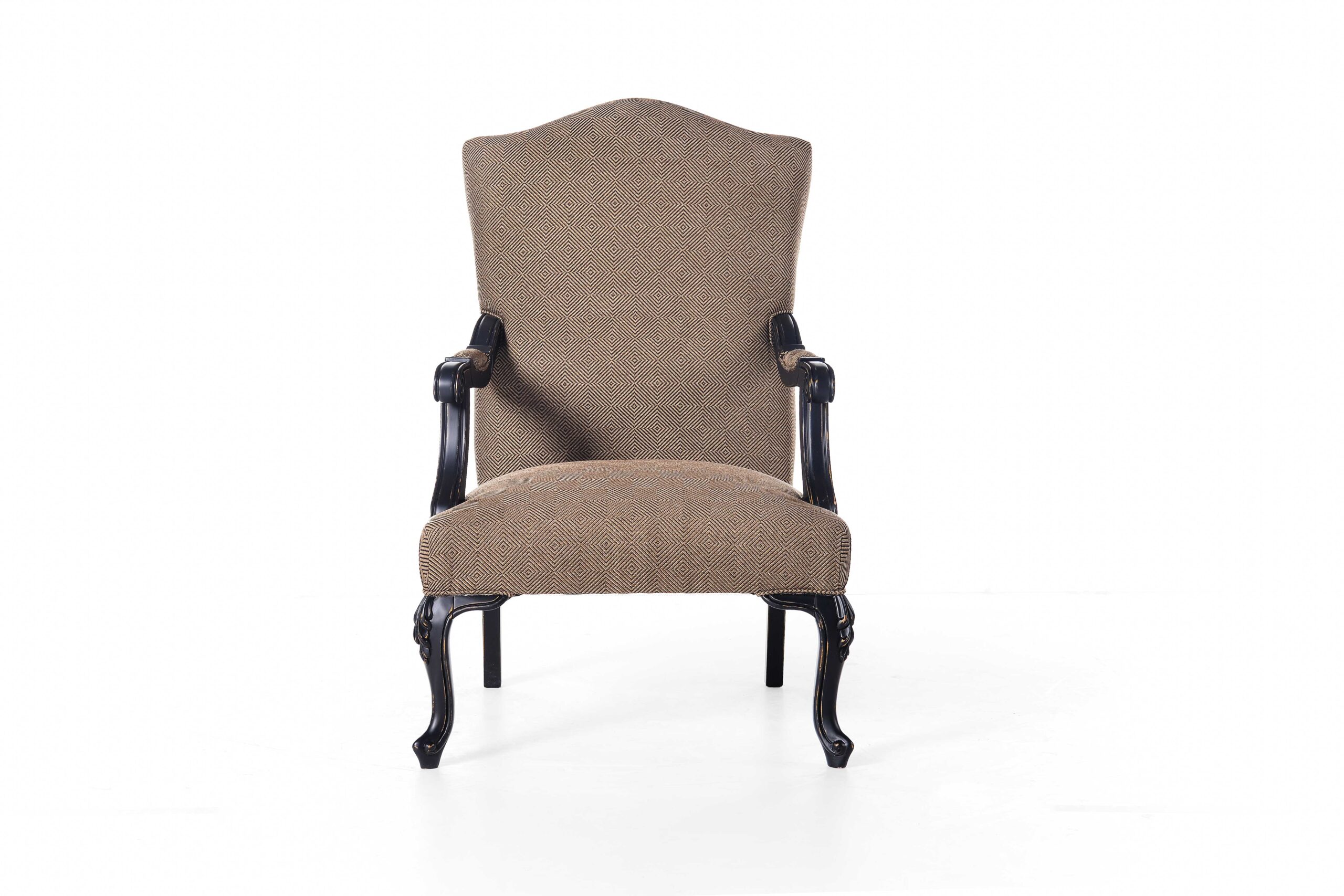
- Elegance Armchair: frame of kiln-dried solid hornbeam; seat filled with 35-density foam, a high-density grade.
- Chesterfield Sofa: hornbeam frame, 35-density foam.
- Elegance TV Stand: spruce top, hornbeam legs and uprights.
What does kiln-dried hornbeam mean?
When sellers describe hornbeam as “kilned” or “kiln-dried,” they usually mean lumber whose moisture content has been lowered in a controlled way in a drying kiln. In a centrally heated home, drying reduces excessive wood movement (swelling and shrinking as humidity changes), as well as cracking and joints opening up. Hornbeam that hasn’t been dried properly, however hard it is, can crack or start to creak in its first winter.
Where is spruce used in furniture?
In İmhotep’s product descriptions, spruce shows up most often in tops, carcasses and load-bearing uprights; it’s a light-colored, relatively lightweight softwood. The Şato Console is made entirely of first-grade kiln-dried spruce, and its description notes that the grain and knots come through clearly under the applied color. The Prada Bedside Table and Prada TV Stand are also made entirely of spruce; wire brushing on the nightstand’s surface and on the TV stand’s top brings out the texture of the wood. Wire brushing is a process in which the surface is scrubbed with a wire brush to remove the softer fibers and raise the grain.
There’s one thing to know when buying spruce furniture: spruce is softer than hardwoods such as hornbeam and oak. A hard object dropped on the top can leave a mark, and so can writing on a single sheet of paper with a heavy hand. On a table with a spruce top, it’s a good habit to put felt pads under hard, heavy objects, use a desk pad when you write, and wipe up spills right away.
The knotty, grainy look, on the other hand, is a matter of taste. On country-style and distressed-look furniture, patina accentuates this texture; if you’re after a plain surface with no visible pattern, spruce may not be the wood for you.
Beech in furniture: beech or hornbeam?
Like hornbeam, beech is a hard, fine-textured hardwood, and neither one is clearly better for every part. Hornbeam is generally considered the harder and closer-grained of the two. Beech, for its part, is easier to work and can be steam-bent, which is why beech is used in furniture mostly for chairs and curved parts.
As with hornbeam, drying is decisive for beech; both woods are sensitive to changes in humidity. There’s also a naming mix-up: in the Turkish market, the two names are sometimes used interchangeably. So it’s safer to have the seller confirm clearly, and in writing, whether the wood is hornbeam or beech.
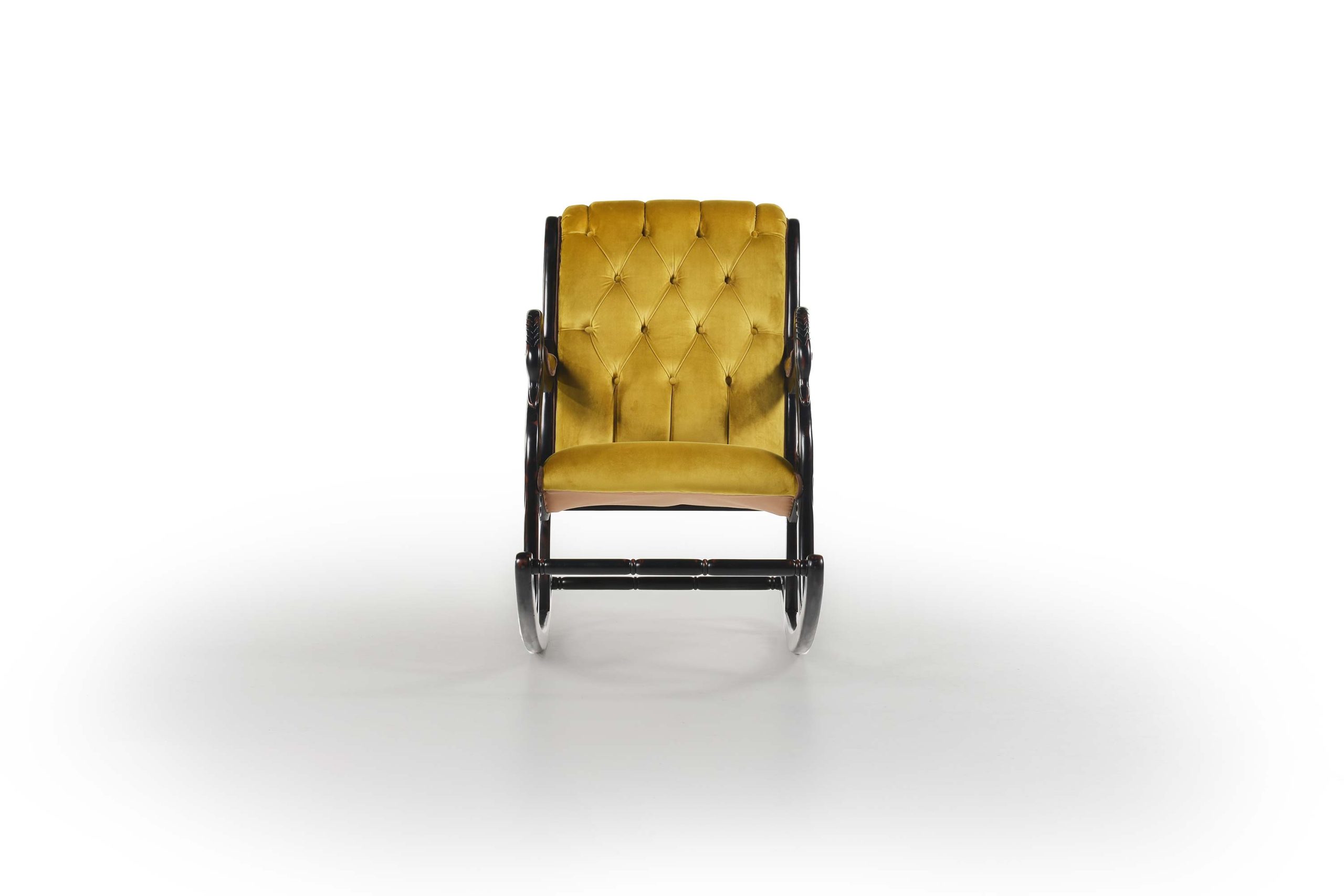
One İmhotep example that uses beech is the Rocking Chair: it is made from beech lumber, upholstered in velvet and has a tufted back. The wood is painted deep black and finished with a distressed patina technique.
Oak and oak veneer
Oak is a hard, heavy wood with pronounced grain; at İmhotep, solid oak appears in the Bodrum series and solid oak veneer in the Craft series. The Bodrum Entryway Console is made entirely of oak. The Bodrum Console has a solid oak carcass, and the Bodrum Dining Table has oak legs; the table’s top is tundra gray marble. The Bodrum Chair is also made of oak and has a cane detail on its back.
“Solid oak” and “solid oak veneer” are not the same thing. Veneer usually means a layer of wood glued onto a different supporting surface. You see real oak grain on the surface, but the body underneath may be another material, so ask the seller how thick the veneer is and what the substrate is. In the Craft Dining Room Set, the dining table top and the console are solid oak veneer; the table legs are rustproof metal, and the chair frames are hornbeam. Veneer isn’t a flaw in itself; what matters is knowing what you’re buying. We explain the difference between solid wood, solid wood panels and veneer in detail in our guide to solid wood furniture.
Is “walnut” a wood or a color?
In İmhotep’s product descriptions, “walnut” refers to a color tone, not a wood species; on most products, that tone is created with patina. The Elvin Wardrobe is made of spruce and painted a walnut color using the patina technique. The Venedik Dining Table’s spruce top also has a dark walnut patina.
The same can apply to the word “oak.” The Verona Dining Table is made from spruce and hornbeam lumber; the “light oak tone” on its surface is the name of a color. When you see “walnut” or “oak” in a listing, ask whether it describes the wood or the color. You can read how patina is applied in our guide to patina paint.
In short: how to confirm the wood
On painted furniture, it’s hard to identify the wood by looks alone; the most reliable approach is to find out, in writing, which wood each part is made of. Before you buy, ask these four questions:
- What wood are the frame and legs made of, and is the lumber kiln-dried?
- Are the top and carcass solid wood, veneer or MDF? We cover which makes sense for which part in our article MDF vs. solid wood.
- Does “walnut” or “oak” in the description refer to the wood or to the color?
- If the visible surface is a soft wood like spruce, how will you protect it in everyday use?
On the pages of the İmhotep products mentioned in this article, the wood species is often listed part by part. If you’d like to see the furniture in person and examine the texture of the wood with your own hands, you’re welcome to visit our showroom in Siteler, Ankara, at Karacakaya Caddesi No:141/A, weekdays from 8:00 a.m. to 7:00 p.m. and Saturdays from 9:00 a.m. to 6:00 p.m.
Frequently asked questions
Is hornbeam furniture durable?
Yes, hornbeam furniture is durable when it’s made from well-dried lumber with properly made joints. Its hard, dense fibers handle the load a frame takes as people sit down and get up, as well as the stress on table legs, which is why it’s commonly used for sofa, armchair and chair frames. Still, the wood alone doesn’t determine how long a piece lasts: poorly dried lumber or careless joinery can make even the hardest wood creak over time.
Is hornbeam furniture water-resistant?
No, hornbeam isn’t considered a water-resistant wood. Like most solid woods, it can swell, stain and crack after prolonged contact with water or heavy humidity. Protection comes less from the wood itself than from the paint, lacquer or varnish on its surface. Wipe up spilled water right away with a dry cloth, and keep the furniture away from damp floors and walls.
Beech or hornbeam: which is better for furniture?
Neither beech nor hornbeam is clearly better for every part; both are hard, fine-textured hardwoods. Hornbeam is often chosen for straight frames and legs, while beech is common in curved, steam-bent chair parts. When buying, ask less about the name of the wood and more about whether the lumber is kiln-dried and how well the joints are made.
How can you tell if furniture is made of hornbeam?
On a painted or patinated surface, hornbeam is hard to identify by eye. Unfinished, it’s light in color with a fine, even texture, and it usually lacks the prominent knots of spruce and the bold grain of oak. With a frame hidden under upholstery, you can’t rely on looks at all: ask the seller to state in writing which wood each part is made of and whether the lumber is kiln-dried.
What wood are sofa sets made of?
In solid wood construction, sofa set frames are usually made from hardwoods such as hornbeam or beech; more budget-oriented production may also use pine, plywood or particleboard. At İmhotep, the frames of the Elegance and Craft sofa sets are kiln-dried hornbeam, and in the Venedik Sofa Set, the Chesterfield sofa, the four-seater sofa and the armchairs also have hornbeam frames. Evaluate foam density and fabric separately.
What wood are dining tables made of?
A dining table’s top and legs are often made of different materials. The top may be spruce, oak or oak veneer, with the grain left visible, while the legs may be a hardwood such as hornbeam or oak. At İmhotep, the Venedik and Elegance tables have spruce tops and hornbeam legs, and the Bodrum has a marble top and oak legs.